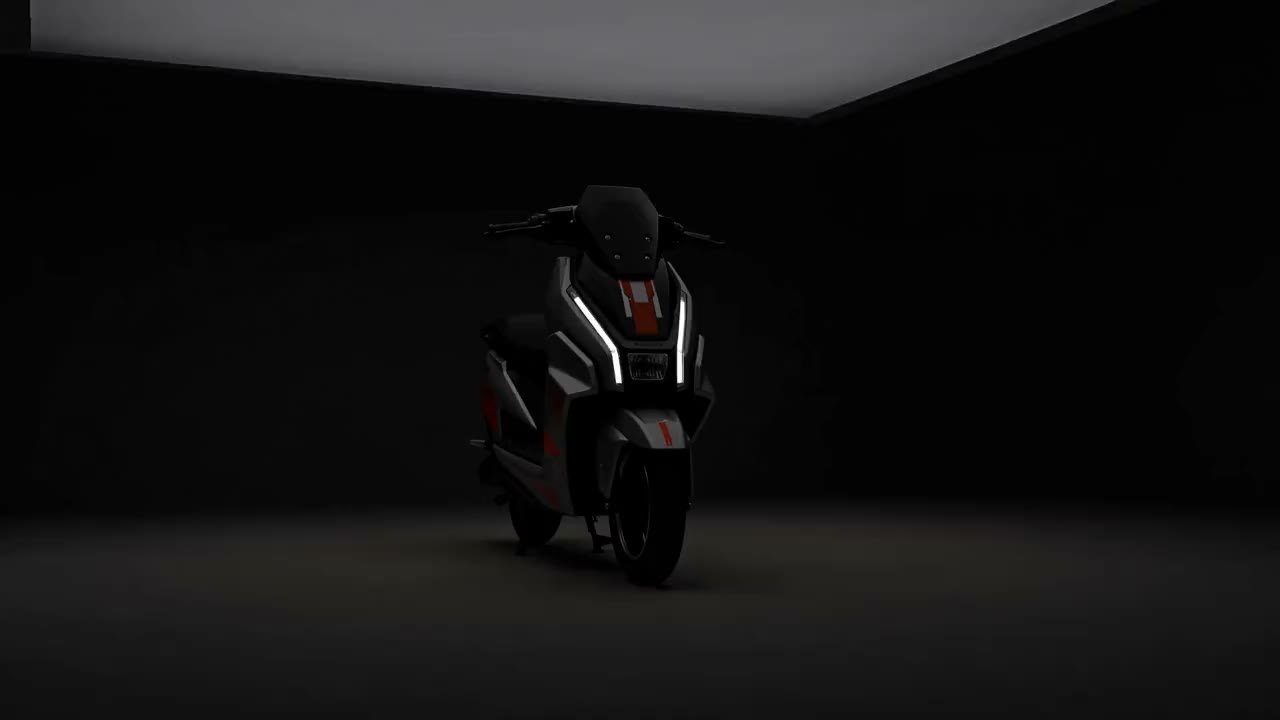
An electric scooter still needs routine attention to tyres, brakes, lights and charging equipment. The most useful maintenance schedule is the one supplied for your exact scooter and battery. Use this checklist to organise your observations and workshop visits, not as a replacement for the owner's manual.
Before a ride, look for changes
Walk around the parked scooter and look for visible tyre damage, loose body panels or anything that has changed since the previous ride. Check that the lights, indicators and horn work as described in the manual. Check tyre pressures at the intervals and values specified by the manufacturer. Do not borrow another model's pressure recommendation just because its wheels look similar.
If the brakes feel unusual, steering feels loose, or a warning appears on the display, arrange an inspection rather than continuing to ride to see whether it clears. Tell the technician when the symptom occurs, whether it is intermittent and whether it started after rain, a repair or a collision.
Treat the charger as part of the vehicle
Use the charger approved for the particular battery and scooter. Inspect accessible cables and the plug for visible damage before use. Follow the manufacturer's charging sequence, location requirements and completion instructions. Do not use damaged equipment or attempt to repair a charger yourself.
For example, TVS's iQube guidance advises using its specified charger. That supports the general principle of following the vehicle maker's instructions; it does not make iQube charging instructions applicable to another scooter. Ask your dealer for the correct manual if you did not receive it.
Keep cleaning straightforward
Follow the manufacturer's cleaning directions and protect electrical components as instructed. Avoid improvising with solvents, connector sprays or high-pressure washing. If the scooter has been submerged or has signs of water inside electrical equipment, ask a qualified workshop what to do before charging or riding it.
Keep a short service record
- Note the date and distance reading at each service.
- Save invoices and replacement part references.
- Record warning messages and unusual behaviour in plain language.
- Retain the scooter, battery and charger warranty documents.
- Ask the workshop to explain what was inspected and what needs follow-up.
These records help a technician understand previous work and help you check the maintenance requirements in your warranty. They also make it easier to order the same approved replacement part later.
Prepare for periods without riding
Storage instructions vary by battery and vehicle. Ask for the required charge level, inspection interval and parking conditions for your model. Do not apply a generic internet percentage or recharge schedule to every battery. Follow the supplied instructions and contact the dealer if you are unsure.
Know what belongs in the workshop
Battery pack repairs, wiring changes and brake repairs should be handled by appropriately qualified technicians. A visible problem does not always identify the failed component. Ask for a diagnosis before ordering parts so you avoid replacing a working item while the actual fault remains.
If you need a replacement, browse the parts catalogue and share the model and part reference with the team. For broader buying questions, see our scooter lineup.
Further reading
TVS iQube owner FAQs provide manufacturer-specific context. Always use your own scooter's manual for operational instructions.